In the past, when the European Union introduced the euro, to put it bluntly, it was to promote the de-dollarization of Europe and even the whole world. However, the EU failed to outplay the United States, and the de-dollarization issue was left unresolved.
Now, the BRICS countries are also promoting de-dollarization. So, is it possible for the BRICS countries to successfully de-dollarize?
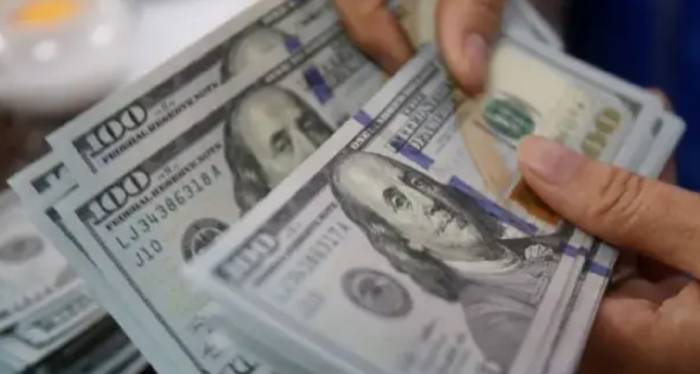
Times have changed. The United States has actively removed a major oil-producing country that was using dollars from the dollar transaction system, directly forcing it to abandon the dollar. The country I'm referring to is Russia. With such actions by the United States, the whole world has realized that if you, the United States, do not adhere to credit, then who will still wholeheartedly recognize the dollar?
Today, there is news from the BRICS countries that China, Russia, Brazil, and other countries all support de-dollarization, except for India, which opposes de-dollarization. That is to say, out of 10 countries, 9 countries have voted in favor, while India has voted against.
Why couldn't the euro shake the status of the dollar before? Because Europe was not the center of the world's factory. At that time, the United States had extremely strong industrial capabilities, and the dollar was tied to oil, so the status of the dollar was very solid.
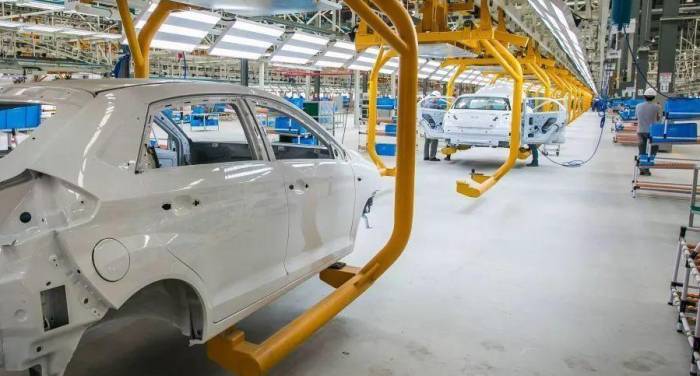
To put it bluntly, to succeed in de-dollarization, one must have a strong ability to process petrochemical products. Before China existed, the world was dominated by the United States in the division of world industry. It can be said that from industrial production equipment to consumer goods, Western countries monopolized everything. So, what was there to talk about de-dollarization at that time?
But now it's different. In the later period of the Bretton Woods system, the United States could not provide gold in exchange for dollars, but China has the ability to exchange industrial products for the renminbi. As long as you bring the renminbi, there will be plenty of industrial products. That is to say, China now has the status of the world's factory, which makes the United States very uncomfortable.
Back to the main topic, why does India oppose de-dollarization? Because India has its own little calculations.In recent years, India has been investing heavily in the development of its industry. To do so, it needs to import a large amount of goods, which further depletes its foreign exchange reserves. If we look solely at the external debt, India is in a better position than many European countries. However, those European nations have already matured their industries and do not need further industrial upgrades.
Currently, India's foreign exchange reserves stand at $689.46 billion. What is the scale of its external debt? It is $664 billion. With the high interest rates on the US dollar, the pace at which India's external debt increases will be very rapid, with interest alone amounting to tens of billions of dollars per year. This means that India is currently in dire need of US dollars.
India's international trade has been in a persistent deficit for many years. We can conclude that India's future debt will inevitably continue to grow. When a country or company has reached a point where its liabilities exceed its assets, to put it bluntly, India needs investment from Western countries. However, due to the poor business environment in India, many European countries are simply not willing to invest in the Indian market.
Therefore, India is now pinning its hopes on receiving investment from the United States. This is also the reason why many American companies have been investing in India in recent years, such as the well-known Apple and Tesla, both of which have made significant investments in the Indian market.
India's population structure is younger than China's, and its household debt ratio is lower than China's. Its consumer demand and potential are higher than China's. Thus, the United States is also willing to invest in India.




Add Your Comment